Spotting Cavities Early to Protect Your Smile
Recognizing the First Signs of a Cavity
Identifying the first signs of a cavity is crucial for preventing more extensive dental damage and discomfort. Early detection often means simpler, less invasive treatments like fillings rather than root canals or extractions. Being aware of subtle changes in your teeth can help you maintain optimal oral health.
Cavities, also known as dental caries or tooth decay, are permanently damaged areas in the hard surface of your teeth that develop into tiny holes or openings. These are caused by acids produced when bacteria in your mouth digest sugars from food and drinks. Regular dental check-ups with Dr. Amandeep Behniwal at Rocky Ridge Family Dental in Roseville, CA, are essential for catching these issues before they become significant problems.
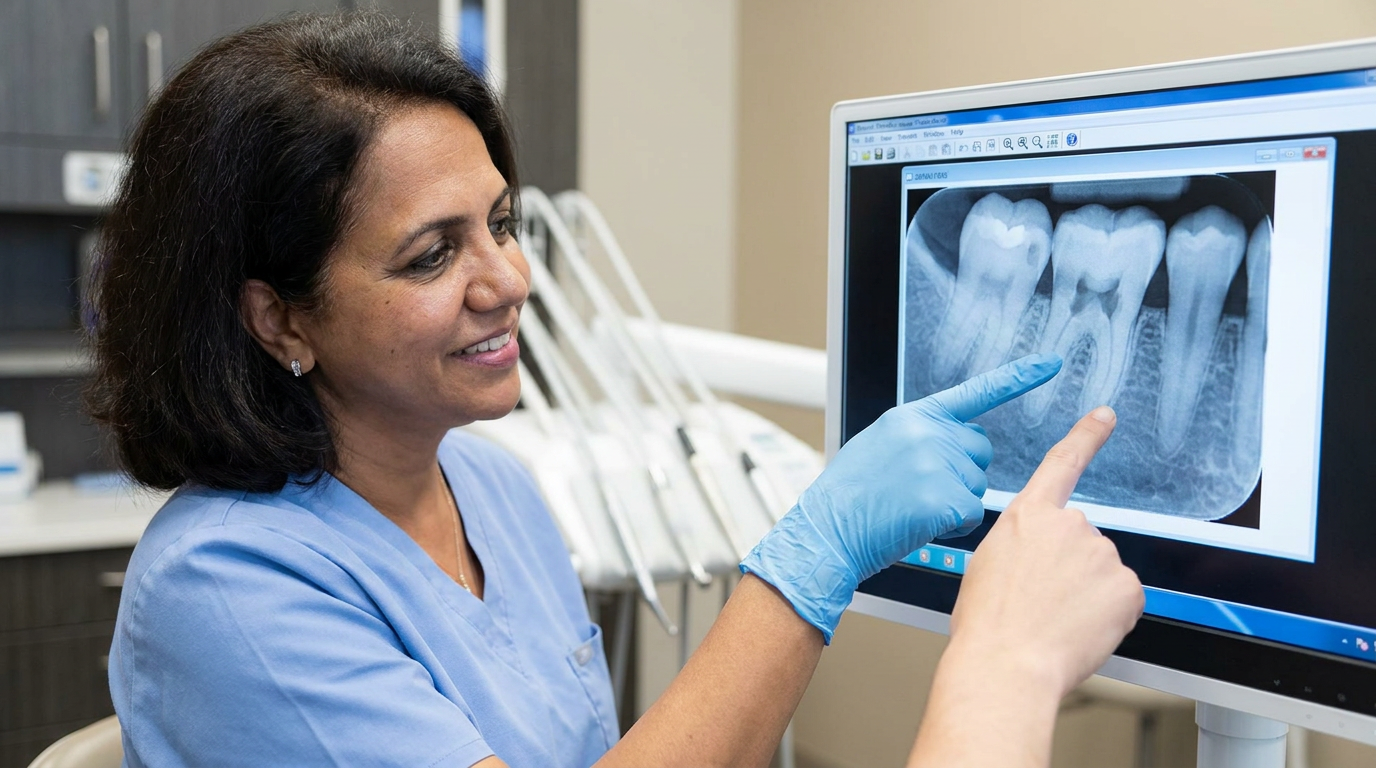
What Does a New Cavity Feel Like?
A new cavity might initially feel like nothing at all, making regular dental check-ups vital for early detection. As decay progresses, you might feel mild sensitivity, especially when consuming hot, cold, or sweet foods and drinks. Persistent discomfort is a sign the cavity has deepened.
Often, the very first symptoms of a cavity are quite subtle and easily overlooked. You might notice a slight, fleeting sensation in a particular tooth. If you experience any of the following, it’s worth paying attention:
- Mild Sensitivity: You might feel a brief, sharp pain when you eat or drink something very cold, hot, or sugary. This sensitivity often subsides quickly.
- Localized Discomfort: A general feeling of unease or slight achiness in one specific tooth, particularly when biting down.
- Unusual Texture: Your tongue might detect a rough spot or a small indentation on the surface of a tooth where decay is just beginning.
- Changes in Breath: While not a direct sign, persistent bad breath can sometimes indicate underlying decay due to increased bacterial activity.
- Food Getting Stuck: If food consistently gets caught in a particular area, it could be due to a developing hole or an uneven tooth surface created by decay.
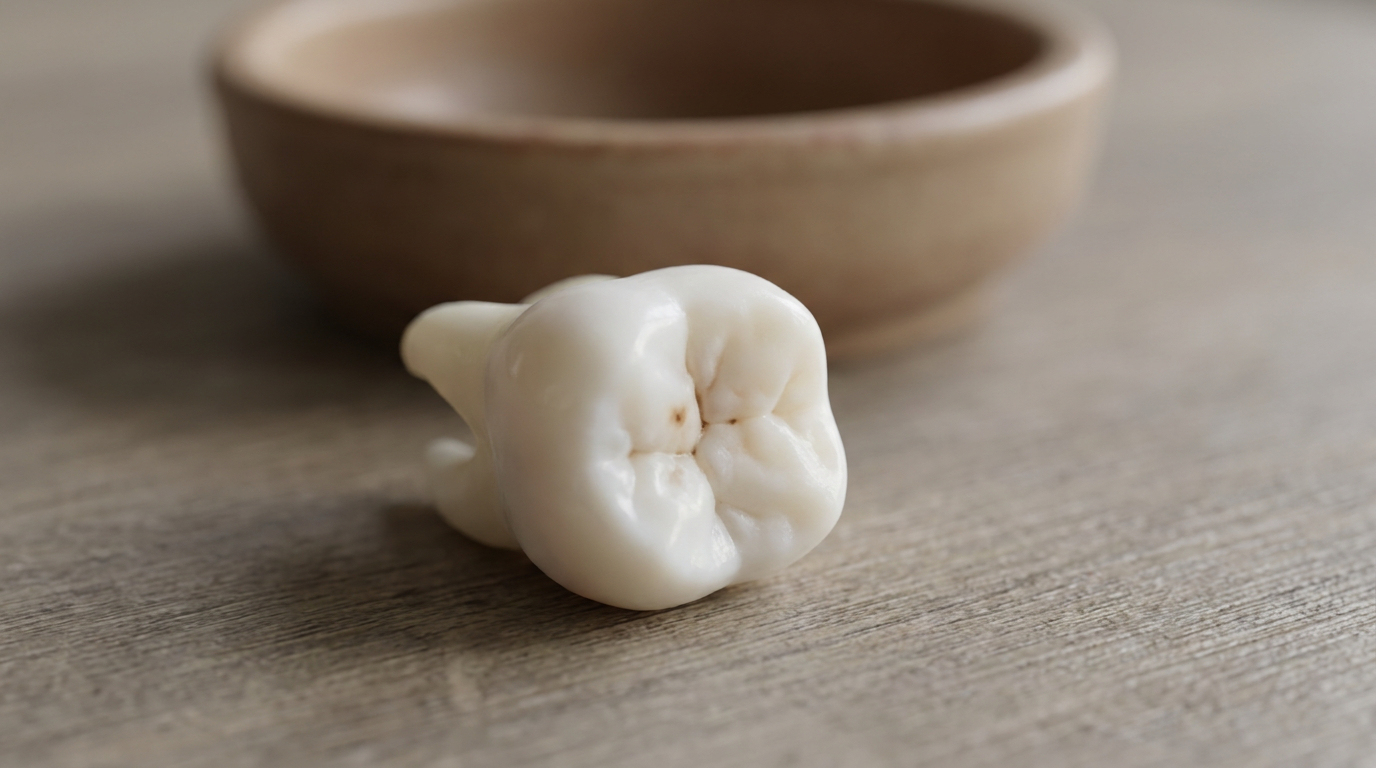
Visual Clues: What Do Cavities Look Like?
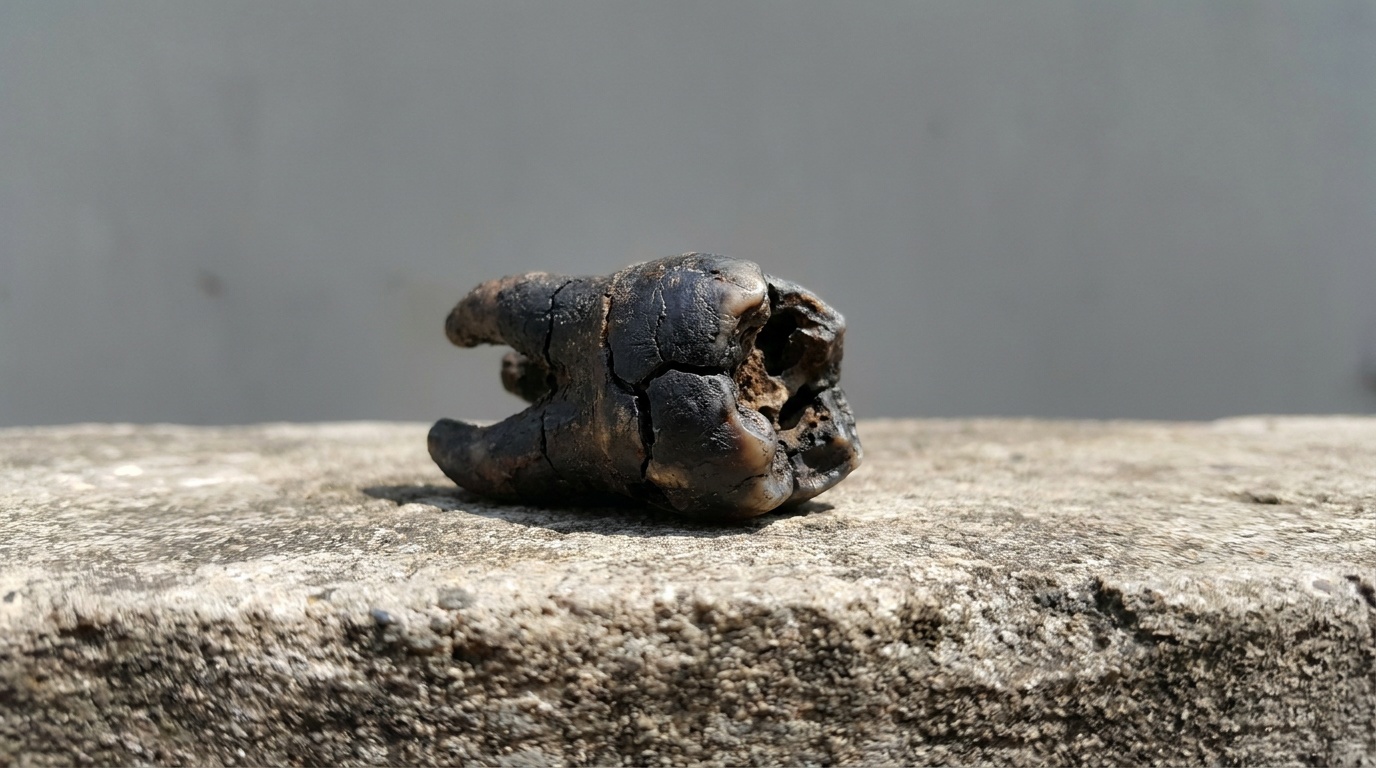
Visually, nascent cavities can appear as small white, dark brown, or black spots on the tooth surface, indicating enamel demineralization. These initial discolorations might be difficult to see without professional examination, often appearing dull or chalky. Ignoring these changes can lead to noticeable holes.
While some cavities are not visible to the naked eye, especially in their early stages or when located between teeth, others can present with distinct visual cues. Dr. Amandeep Behniwal and her team use specialized tools to detect these subtle changes. Keep an eye out for:
- White Spots: These are often the earliest visible signs of decay, appearing as opaque white areas on the tooth surface. This indicates that the enamel is beginning to lose its minerals.
- Brown or Black Spots: As decay progresses, these spots can darken, turning light brown, dark brown, or even black. They might be small at first and gradually enlarge.
- Visible Pits or Holes: In more advanced stages, you might actually see a hole or a pit developing on the tooth’s chewing surface or side. This is a clear indicator of significant decay.
- Grayish Stains: Sometimes, cavities can appear as a grayish discoloration beneath the enamel, especially on the biting surfaces of molars.
- Dull Tooth Surface: A tooth that looks less shiny and more dull or chalky in certain areas could be experiencing early demineralization.

Pain Versus Sensitivity: Understanding the Difference
Sensitivity is a fleeting, sharp reaction to external stimuli like temperature or sugar, indicating potential enamel erosion or minor decay. Pain, however, is a more persistent, throbbing, or continuous discomfort that often points to deeper decay affecting the tooth’s nerve. Understanding this distinction helps assess urgency.
It’s important to differentiate between fleeting sensitivity and persistent pain. Tooth sensitivity, as discussed, is often a quick, sharp sensation that disappears once the stimulus is removed. This can be caused by various factors, including mild decay, gum recession exposing tooth roots, or worn enamel. Pain, on the other hand, signifies a more serious issue. If you experience constant throbbing pain, pain that wakes you up at night, or discomfort that lingers long after you’ve stopped eating or drinking, it’s highly likely that the decay has reached the inner layers of the tooth, potentially affecting the nerve. This kind of pain requires immediate attention from a dental professional like Dr. Amandeep Behniwal.

Where Do Cavities Most Commonly Form?
Cavities frequently form in specific areas of the mouth where food particles and bacteria tend to accumulate and are harder to clean. Understanding these common locations helps you focus your brushing and flossing efforts effectively. Molar chewing surfaces are particularly susceptible.
Cavities aren’t random; they often develop in predictable spots in your mouth due to specific factors. Knowing these areas can help you be more vigilant with your oral hygiene routine.
- Chewing Surfaces (Occlusal Surfaces): The molars and premolars in the back of your mouth have numerous pits and grooves where food particles and plaque can easily get trapped. These areas are particularly prone to decay.
- Between Teeth (Interproximal Cavities): Because these areas are difficult to clean with a toothbrush alone, plaque accumulates, leading to cavities. Daily flossing is essential to prevent decay here.
- Along the Gum Line (Root Surfaces): If your gums have receded, the softer root surfaces of your teeth become exposed. These areas are less protected by enamel and are more susceptible to decay, especially in older adults.
- Around Old Fillings or Dental Work: Over time, existing fillings can wear down, crack, or become loose, creating tiny gaps where bacteria can enter and cause new decay underneath or around the restoration.
- Beneath the Enamel: Sometimes, decay can begin in the dentin layer beneath healthy enamel, especially if there’s a small crack or weakened spot on the surface.
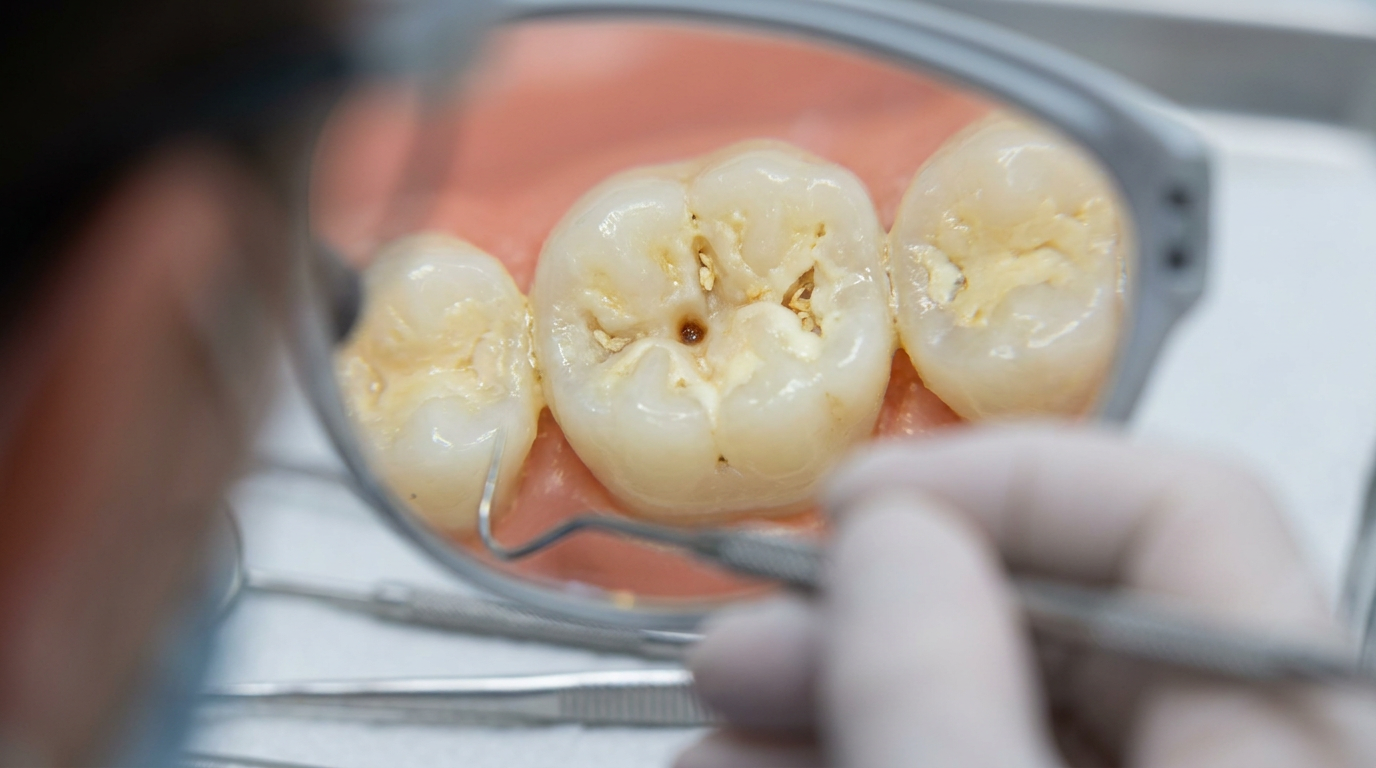
The Role of Regular Dental Check-Ups in Cavity Detection
Regular dental check-ups are paramount because dentists can detect cavities long before you experience symptoms, using tools like X-rays and specialized instruments. Early detection allows for minimally invasive and more effective treatment, preventing small issues from escalating into complex problems requiring significant intervention.
Even if you practice excellent oral hygiene and don’t experience any symptoms, visiting Rocky Ridge Family Dental for routine check-ups is incredibly important. Many early cavities are asymptomatic and invisible to the untrained eye. Dr. Amandeep Behniwal utilizes several techniques to identify decay: she conducts visual examinations, checking for subtle discoloration or rough spots. She also uses dental instruments to probe the tooth surface for soft areas that indicate decay. Perhaps most critically, she employs dental X-rays, which can reveal cavities developing between teeth or beneath existing fillings, areas often impossible to see during a visual exam. These routine visits allow her to intervene with a dental filling while the cavity is still small, saving you discomfort and more involved treatments down the line.
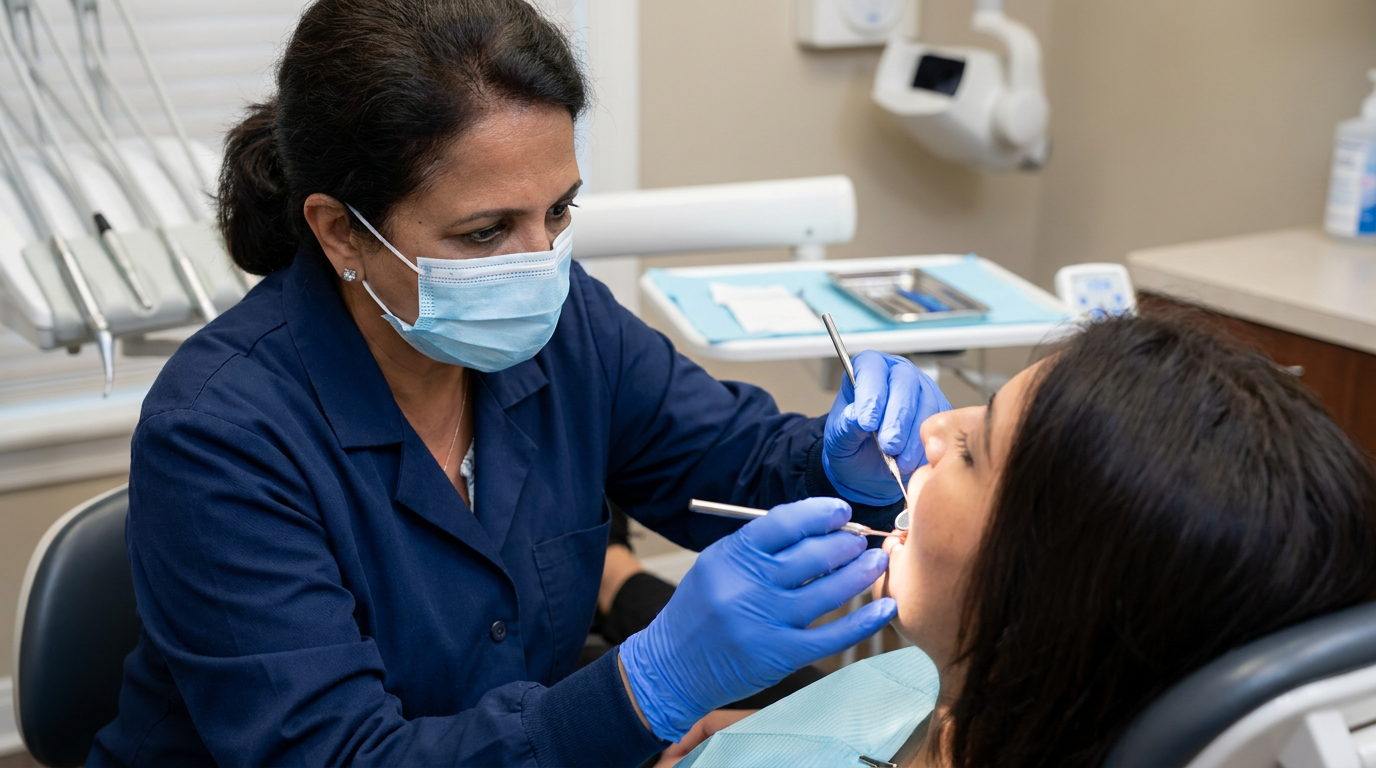
What Happens If a Cavity Goes Untreated?
Ignoring a cavity allows the decay to progress, leading to increased pain, infection, and potentially tooth loss. Untreated cavities can also impact overall health, as oral infections may spread. Addressing decay promptly prevents more severe and costly dental procedures.
Delaying treatment for a cavity can have serious consequences for your oral health and even your general well-being. What starts as a small issue can quickly escalate.
- Increased Pain and Sensitivity: As decay deepens and reaches the inner pulp of the tooth, pain becomes more severe and constant, potentially leading to intense toothaches.
- Infection and Abscess: Bacteria can infect the pulp, leading to a painful pus-filled pocket called a dental abscess. This infection can spread to other parts of the body if not treated.
- Tooth Loss: If the tooth structure is too compromised by decay or infection, it may become necessary to extract the tooth.
- Difficulty Eating and Speaking: Severe decay can make chewing unbearable, impacting your nutrition, and it might even affect your speech.
- Spread of Infection: An untreated dental infection can spread to adjacent teeth, gums, and even into the jawbone or bloodstream, posing a serious health risk.
Regular visits to Rocky Ridge Family Dental help prevent these severe outcomes.
Protecting Your Smile in Roseville, CA
The early detection of cavities is a cornerstone of effective preventive dentistry. While knowing the signs of decay can empower you to take action, nothing replaces the expertise of a qualified dental professional. Dr. Amandeep Behniwal emphasizes that many early cavities are silent, often revealing themselves only through a precise dental examination and diagnostic tools like X-rays. Located in Roseville, CA, Rocky Ridge Family Dental is committed to helping you maintain a healthy, beautiful smile for life.
By understanding the subtle differences between sensitivity and pain, recognizing visual cues, and prioritizing regular check-ups, you’re taking proactive steps to safeguard your oral health. If you notice any of the described symptoms or haven’t had a recent dental check-up, it’s always best to schedule an appointment. Addressing a cavity when it’s small is always easier, less invasive, and more affordable than waiting until it becomes a larger problem. Investing in routine preventive care at our Roseville, CA practice is an investment in your long-term health and well-being.
Frequently Asked Questions
1. What is a cavity?
A cavity is a permanently damaged area on the tooth surface that develops into a hole, caused by acids from bacteria digesting sugars.
2. What are the earliest signs of a cavity?
The earliest signs often include mild, fleeting sensitivity to hot, cold, or sweets, or a small white spot on the tooth.
3. Can I see a cavity myself?
Sometimes, you can see dark spots or visible holes, but many early cavities, especially between teeth, are only detectable by a dentist.
4. How do dentists find cavities?
Dr. Amandeep Behniwal uses visual exams, dental instruments, and X-rays to detect cavities, even those not visible to the naked eye.
5. Is tooth sensitivity always a cavity?
No, sensitivity can have other causes like gum recession or worn enamel. A professional diagnosis from Dr. Behniwal is important to confirm.
6. What happens if a cavity isn’t treated?
Untreated cavities can lead to severe pain, infection, abscesses, and ultimately, tooth loss, requiring more complex treatments.
7. How does Dr. Amandeep Behniwal treat cavities?
Dr. Behniwal typically treats cavities with dental fillings to restore the tooth’s structure and prevent further decay.
8. How can I prevent cavities?
Regular brushing, flossing, a balanced diet, and routine dental check-ups with Dr. Behniwal at Rocky Ridge Family Dental are key for prevention.
9. Are some teeth more prone to cavities?
Yes, molars with deep grooves, and areas between teeth or near the gum line are often more susceptible to decay.
10. How often should I visit the dentist for cavity checks?
Dr. Behniwal generally recommends dental check-ups every six months for optimal cavity detection and prevention.


1 Comment
📻 PAYOUT 39,129.28 USDT NEXT - graph.org/BALANCE-36824-US-DOLLARS-04-24-2?hs=c24677a2c6f34b9cf0c51b34b58f629d& 📻 · August 7, 2026 at 7:41 pm
5uqip5
Comments are closed.